Small Road Hazards Can Leave Bigger Marks Than You Expect
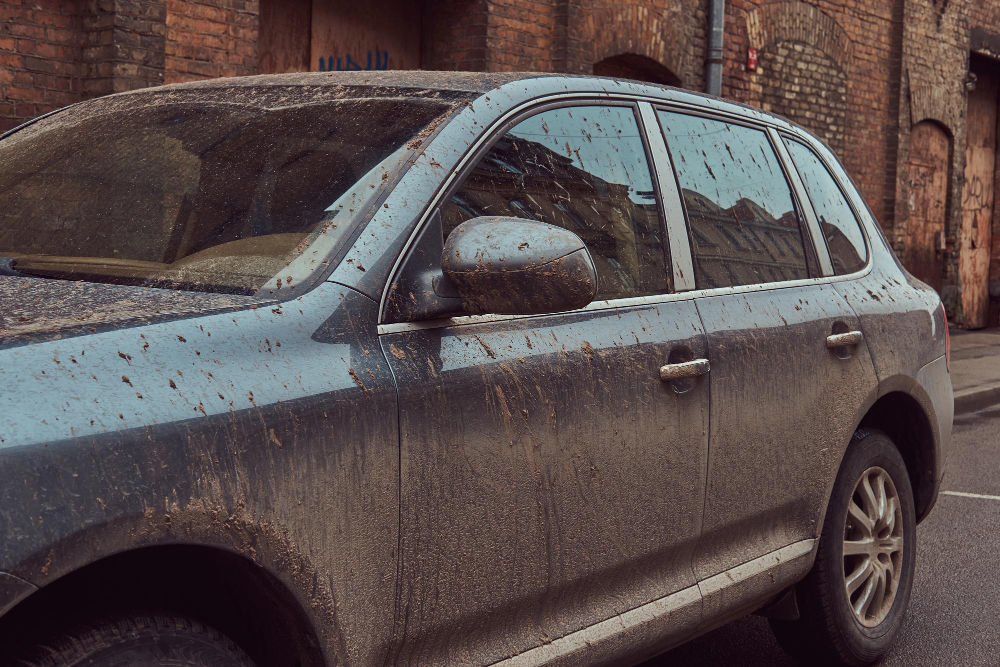
Your car’s paint can take damage long before you notice it. A few pieces of gravel on a highway drive, road debris kicked up by another vehicle, or repeated exposure to grime can leave tiny marks across painted surfaces.
That is one reason PPF has become a consideration for car owners who want another layer between their vehicle’s paint and everyday road hazards.
But what does paint protection film actually do? Where is it advisable to install it? And is it useful for a daily driver in Langley, BC?
The answers depend on how you drive, where your vehicle gets exposed, and how much of the exterior you want to protect. Here are seven key reasons car owners consider PPF, along with the limitations and practical details worth knowing before installation.
What Is PPF and How Does It Work?
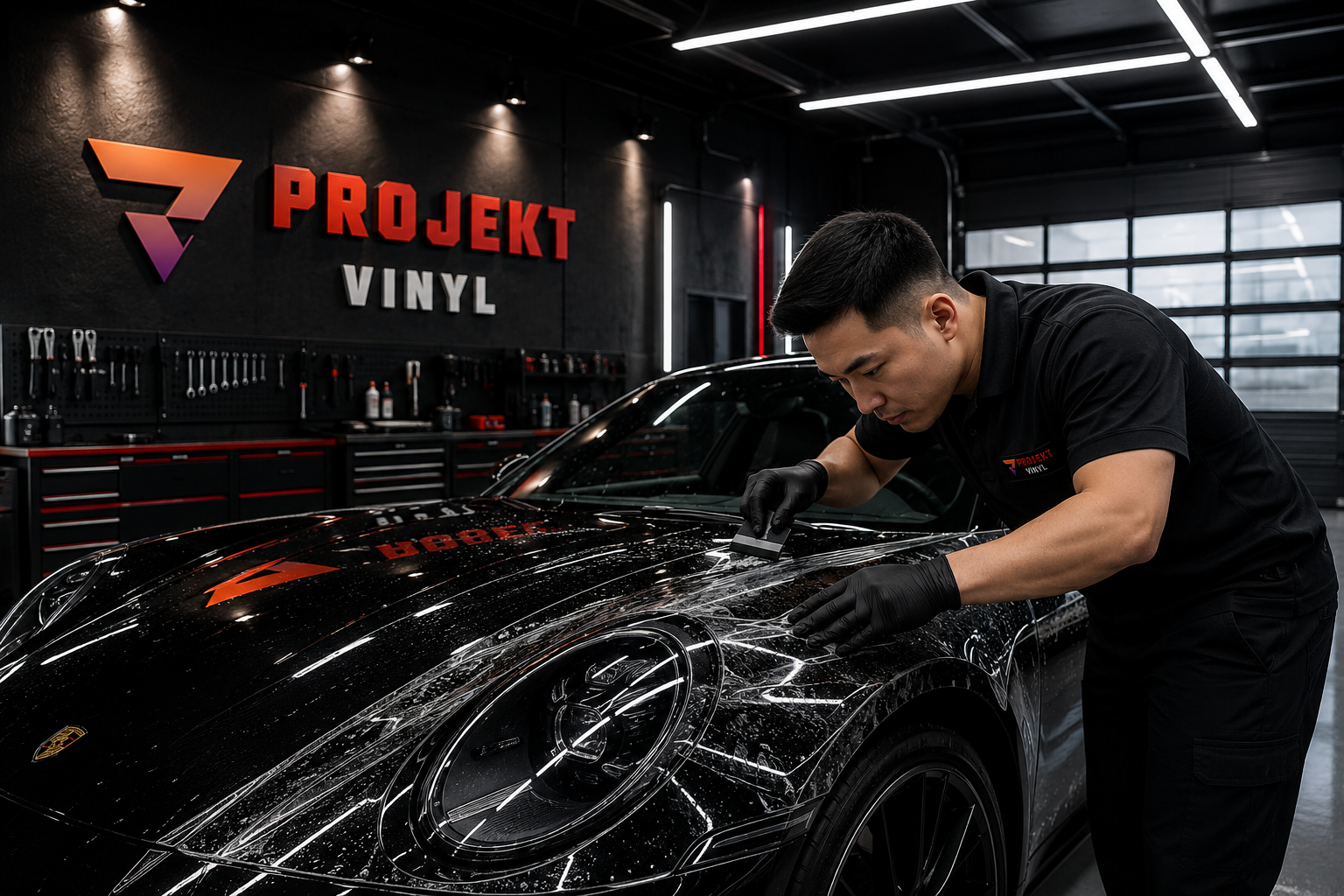
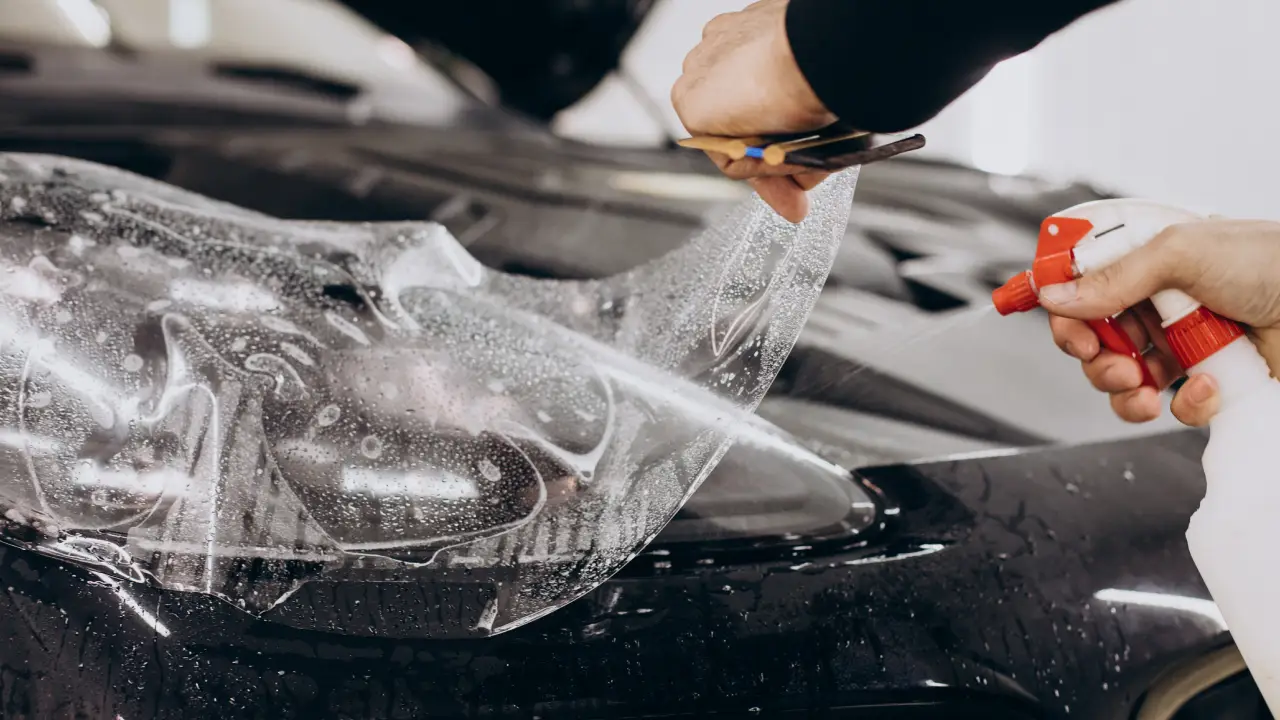
PPF, or paint protection film, is a transparent film applied over painted vehicle surfaces to help shield them from certain everyday road and surface hazards.
The film sits on top of the vehicle’s original paint. Depending on the installation plan, it can cover areas such as the front bumper, hood, fenders, side mirrors, rocker panels, or other exposed sections.
The basic idea is straightforward: instead of allowing every small road hazard to make direct contact with the painted surface, the film creates an additional physical layer.
PPF film is commonly made from flexible materials that can conform to vehicle contours. Different products can have different characteristics, finishes, thicknesses, warranty terms, and installation requirements.
Clear film is popular because it can provide a layer of protection without changing the factory colour underneath. Some products may also have gloss or satin finishes, so the visual result can vary.
It is important to keep expectations realistic. PPF protection does not make a vehicle immune to damage. A major impact, deep scratch, dent, collision, or other severe event can still damage the film, paint, or bodywork underneath.
The key difference between PPF and products such as wax is physical protection. Wax sits on the surface as a finish product, while paint protection film adds an actual layer over the painted panel.
Why Does Car Paint Get Damaged So Easily?
Here is the part many drivers overlook: your car does not need to be involved in a major incident for its paint to develop marks.
Everyday driving exposes exterior surfaces to a mixture of hazards, including:
- Gravel and loose road debris
- Small stones thrown by passing vehicles
- Construction-zone debris
- Road grime
- Bird droppings
- Tree sap
- Environmental contaminants
- Parking-lot contact
- Repeated washing and cleaning
- Frequent highway driving
A highway drive through the Fraser Valley can put the front of your vehicle directly in the path of whatever gets kicked up from the road.
The front bumper, hood, and mirrors can receive much of this exposure because they face forward while the vehicle is moving. Lower panels can also encounter road grime and debris.
Some marks are obvious. Others are tiny enough to go unnoticed until you inspect the vehicle under direct light.
That is where the idea of automotive paint protection becomes relevant. Rather than waiting for visible damage to accumulate, some owners choose to place a protective film over areas that receive repeated exposure.
7 Key Benefits of Adding PPF to Your Car
1. Helps Protect Against Stone Chips
A tiny stone may not sound like a major threat to your paint, but the speed of a moving vehicle changes the situation.
Small rocks and road debris can strike the front of a vehicle while travelling through traffic. The result can be a small chip in the paint or a visible mark on an exposed panel.
The areas commonly considered for protection include:
- Front bumper
- Hood
- Front fenders
- Side mirrors
- Lower body panels
A layer of PPF can act as a physical barrier between the painted surface and certain road hazards.
It cannot stop every impact or guarantee that the underlying vehicle will remain untouched. However, the purpose is to give vulnerable painted areas an additional layer between the road and the factory finish.
For drivers who regularly use highways or travel through areas where loose debris is present, front-end coverage may be worth considering.
2. Helps Preserve the Appearance of Your Paint
A vehicle can look spotless after a wash while still carrying small chips and marks from months of driving.
That is because cleaning removes dirt. It does not reverse physical damage that has already reached the paint.
Repeated exposure to road debris, contaminants, and everyday contact can gradually change the appearance of exterior panels.
Adding protective film to selected areas can reduce direct exposure to some of those hazards. This can be particularly relevant for owners who pay close attention to their vehicle’s exterior finish.
The goal is not to promise that the car will always look untouched. No exterior protection product can guarantee that.
Instead, the film serves as one part of an overall approach to maintaining the condition of painted surfaces.
3. Can Help Reduce the Impact of Minor Surface Damage
Not every mark on a car represents the same type of damage.
A light surface mark is different from a deep scratch. A stone chip is different from a dent. A collision is different from contact with a shopping cart.
PPF can help with certain minor everyday hazards, but its limits matter.
For example, a protective film may absorb or resist some surface impacts that might otherwise reach the paint directly. That does not mean it can prevent every scratch or protect against every impact.
Think of it as an additional layer rather than an invisible force field.
This distinction matters when deciding whether automotive PPF makes sense for your vehicle. Knowing what the film can and cannot do helps you choose coverage based on realistic expectations.
4. Provides a Physical Layer Over Vulnerable Paint
Why cover only certain areas instead of the entire vehicle?
Because exposure is not equal across the exterior.
A front bumper travelling through traffic faces different hazards than the roof. A rocker panel close to the road can receive different exposure than a rear trunk lid.
This allows owners to consider coverage according to how their vehicles are used.
Some may focus on the front end. Others may want additional coverage around mirrors, door edges, or rocker panels.
Coverage can vary based on the vehicle, film selected, installation plan, and the owner’s priorities.
The important point is that PPF creates a physical layer over the surface. That makes it fundamentally different from a product that simply sits on the paint as a liquid or wax-based finish.
5. Helps Protect High-Exposure Areas
Some parts of a vehicle simply see more road activity.
The front bumper is constantly facing forward. The hood can receive debris thrown upward by traffic. Fenders sit close to the wheels, while mirrors project from the sides of the vehicle.
Other areas can also receive repeated contact during normal ownership.
Common areas considered for car PPF include:
- Front bumper
- Hood
- Front fenders
- Mirror caps
- Door edges
- Rocker panels
A driver who spends significant time on highways may have different priorities from someone whose vehicle is mainly used for short urban trips.
There is no single coverage plan that fits every car. Your driving routine should be part of the decision.
6. May Help Maintain the Vehicle’s Exterior Condition
Some owners plan to keep their vehicles for several years. For them, exterior condition can become an important part of ownership.
A vehicle accumulates exposure every time it leaves the driveway. Over months and years, small chips, marks, and contamination can change how individual panels look.
This is one reason why some drivers consider paint protection film (PPF) when purchasing a newer vehicle or after addressing existing paint issues.
Maintaining exterior condition may also matter when the vehicle is eventually sold or traded.
However, PPF does not guarantee a higher resale or trade-in value. Many factors influence a vehicle’s market value, including mileage, mechanical condition, service history, age, model demand, and overall condition.
Think of paint protection as one consideration among many rather than a financial guarantee.
7. Adds Another Layer Without Changing the Vehicle’s Colour
For drivers who like the factory paint colour, clear PPF can be appealing.
Instead of applying a coloured wrap, clear film allows the underlying finish to remain visible while placing a protective layer over selected panels.
This can be useful for someone who wants exterior protection without making a noticeable colour change.
The final appearance can vary depending on the film’s finish, vehicle paint, panel condition, and installation quality. Gloss and satin options can produce different visual results.
It is also worth inspecting the vehicle’s paint before installation. Existing chips, scratches, or other defects may remain visible beneath a clear film.
That is why the condition of the surface matters before protective film installation begins.
Where Should You Install PPF on a Car?
Not every vehicle needs the same amount of coverage.
The most practical starting point is usually identifying where your vehicle receives the most exposure.
Front Bumper
The front bumper faces road debris directly. It is one of the areas frequently considered for film coverage, particularly on vehicles that spend significant time on highways.
Hood
The leading portion of the hood can receive impacts from small stones and debris. Drivers who regularly travel at higher road speeds may pay particular attention to this area.
Fenders
Front fenders sit close to the wheels and road surface. They can receive debris thrown outward or backward from the tires.
Side Mirrors
Mirror caps project outward from the vehicle and can receive road debris. They can also be exposed to everyday parking-lot contact.
Door Edges
Door edges can develop small chips and marks from regular use, especially when doors are opened close to walls, other vehicles, or tight spaces.
Rocker Panels
Rocker panels sit relatively low on the vehicle and can encounter road grime and debris.
Partial coverage focuses on selected areas. Broader coverage extends the film to more of the vehicle.
The right choice depends on your driving habits, vehicle, paint condition, and budget.
Common PPF Mistakes Car Owners Should Avoid
The wrong assumptions can cause more trouble than the film itself.
Choosing Film Based Only on Price
The cheapest quote does not necessarily tell you what you are actually receiving.
Compare the film specification, coverage, installation process, warranty terms, and what is included in the work.
A quote covering only a few panels is not directly comparable to one covering a much larger portion of the vehicle.
Assuming PPF Makes a Car Damage-Proof
This assumption is one of the most significant misconceptions.
PPF is not a shield against every possible form of damage. Deep scratches, dents, collisions, vandalism, and major impacts can still affect the film and vehicle.
The purpose is to help protect against particular everyday hazards, not to eliminate every risk.
Ignoring Installation Quality
Film installation involves more than placing material onto a panel.
Surface preparation, panel condition, film placement, edges, seams, and finishing all influence the final result.
Ask how the vehicle will be prepared before the film is installed and how the installer handles edges and complex body contours.
Waiting Until Paint Is Already Heavily Damaged
Clear film does not erase existing paint defects.
If a panel already has chips, scratches, stains, or other imperfections, those issues may need attention before film installation.
This is particularly important with clear film because the paint underneath remains visible.
Protecting the Wrong Areas
A vehicle used mainly for city driving may receive different exposure from one that regularly travels highways.
Instead of selecting coverage based solely on what another driver chose, consider your routine.
Where does your car spend most of its time? Which panels receive the most road debris? Do you regularly travel through construction areas or take longer Fraser Valley drives?
Those questions can help shape a practical coverage plan.
Treating PPF Like a Replacement for Car Care
Protective film still needs appropriate care.
Dirt, road grime, and contaminants can accumulate on the vehicle’s exterior regardless of whether film is installed.
Follow the film manufacturer’s care recommendations and use suitable washing methods.
PPF is one part of exterior vehicle care, not a replacement for cleaning.
PPF in Langley: Why Local Driving Conditions Matter
Driving patterns can influence how much exposure your vehicle receives.
For someone looking into PPF in Langley, the decision may involve daily commuting, highway travel, trips through the Fraser Valley, construction areas, parking lots, and regular seasonal road grime.
The important point is not that every Langley driver faces identical conditions. They do not.
One person may drive a short urban route most days. Another may spend significant time on highways. Someone else may regularly take longer regional trips.
Those differences can affect which panels receive the most exposure.
If your car is frequently on the road, look closely at the front bumper, hood, fenders, mirrors, and lower panels. Small chips and marks can tell you where your vehicle is receiving repeated contact.
PPF vs Wax, Ceramic Coating, and Regular Car Washing
These products and services are sometimes grouped together under “paint protection,” but they do different jobs.
Regular Car Washing
Washing focuses on removing dirt, dust, road grime, and other contaminants from the vehicle.
It is part of normal exterior care, but washing does not place a physical protective film over the paint.
Wax
Wax is applied to the vehicle’s exterior surface and is commonly used to enhance appearance and provide a surface layer.
It does not serve the same physical impact-protection role as PPF.
Ceramic Coating
Ceramic coating is a surface coating that can provide properties such as water repellency and can make some exterior contaminants easier to clean.
It is not the same as a physical film and should not be treated as a direct substitute for PPF.
PPF
PPF is a physical film installed over painted surfaces.
Its primary purpose is to provide a protective layer between the paint and certain exterior hazards.
Some vehicle owners may use more than one form of exterior protection because each serves a different purpose.
Is PPF Worth Considering for Your Car?
There is no universal answer because vehicles and driving routines differ.
Before choosing automotive PPF, consider:
- How often you drive
- How much highway mileage you accumulate
- Where you normally drive
- Your vehicle’s current paint condition
- Which panels receive the most exposure
- How long you plan to keep the vehicle
- How much coverage you want
- Your budget
- Your preferred finish
- Whether you want partial or broader coverage
A daily driver that spends substantial time around road debris may lead its owner to consider different coverage from a vehicle used occasionally.
The same applies to a newer vehicle compared with one that already has significant paint wear.
The useful question is not simply, “Should every car have PPF?”
It is, “Which areas of my vehicle receive the most exposure, and would a physical film layer make sense for how I use the car?”
FAQs
What does PPF protect a car from?
PPF can help protect painted surfaces from certain everyday hazards, including small stones, gravel, road debris, and some minor surface impacts. It cannot prevent every scratch, dent, collision, or form of vehicle damage.
Is PPF the same as paint protection film?
Yes. PPF commonly stands for paint protection film. The terms are often used interchangeably when discussing transparent automotive film installed over painted vehicle surfaces.
Which parts of a car should get PPF?
Common areas include the front bumper, hood, front fenders, mirror caps, door edges, and rocker panels. The right coverage depends on how the vehicle is driven and which areas receive the most exposure.
Can PPF prevent scratches?
PPF can help protect against certain minor surface marks and impacts, but it cannot prevent every type of scratch. Deep scratches, sharp impacts, dents, and collisions can still damage the film or vehicle.
Is PPF worth it on a daily driver?
It can be worth considering for drivers who regularly face road debris, highway travel, or repeated exposure to conditions that may affect painted surfaces. Mileage, driving environment, vehicle condition, ownership plans, and budget should all be considered.
How much of a car can PPF cover?
PPF can be installed on selected high-exposure areas or across broader portions of the vehicle. Coverage can range from individual panels to larger exterior sections, depending on the vehicle and installation plan.
Look at Where Your Car Takes the Hits
Your vehicle’s paint is exposed every time you drive. A clean exterior can still have tiny chips, marks, and areas of wear that are easy to overlook.
PPF gives car owners another option: place a physical film layer over areas that receive repeated exposure.
Before choosing coverage, look at your driving habits, inspect the vehicle’s current paint condition, identify vulnerable panels, and decide how much of the exterior you want to protect.
If you are considering PPF in Langley, you can speak with Projekt Vinyl about available options for your vehicle.
We are located at 19871 57A Ave, Langley, BC V3A 6G6, Canada.
Contact Projekt Vinyl at +1 604-835-8695 to discuss PPF options for your vehicle in Langley.